
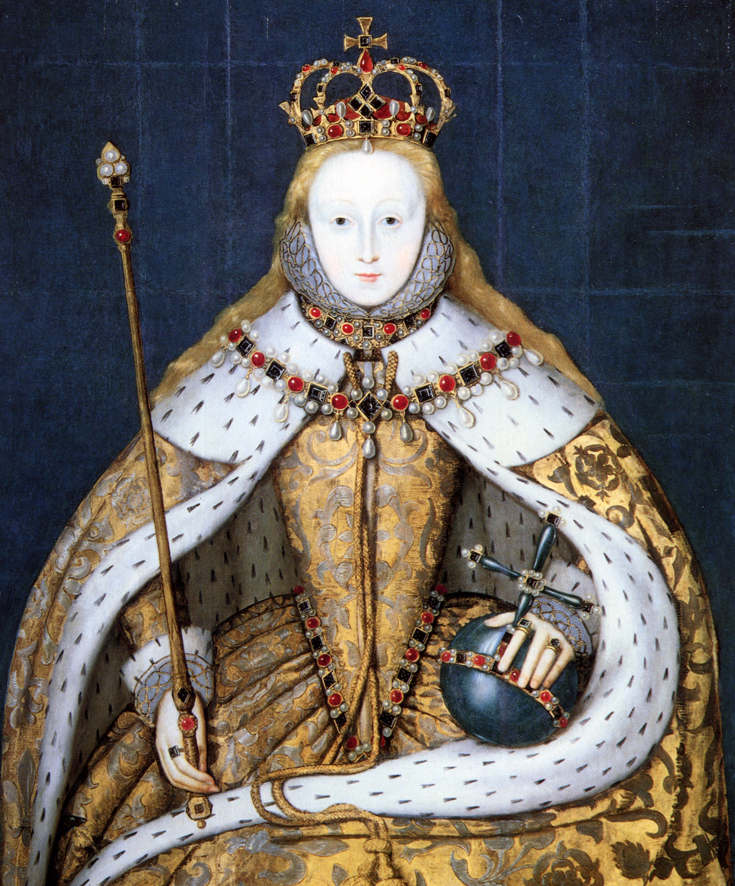
 Four hundred and forty years ago this month, the Elizabethan Exchequer issued a Privy Seal warrant that has puzzled researchers for decades. The warrant, dated June 26, 1586, awarded Edward de Vere, “Erle of Oxford,” the annual sum of £1,000, the valuation of which ranges from a low of around $312,000 to as much as $1 million in 2026 purchasing power.*
It is a startling warrant, not merely for its size, but also for the unique wording of its “non-accountability clause.” This clause was ordinarily used by the queen to prohibit auditors or other government officials from seeking an accounting from the recipient, who was thus made “unaccountable” for what and how the money was spent.
However, Oxford’s warrant seems not only to prohibit officialdom from asking “the said Earle, his assigns, nor his or their executors …”, but also to prohibit asking “Us or our heirs or successors.”
By its use of “Us”—the objective case of the “Royal We”—was this warrant therefore meant to be kept secret even from the prying eyes of Elizabeth’s own government? And of future governments? What was the purpose of such a generous grant from a queen notable for her parsimony to a nobleman who had no visible government office?
It’s another intriguing secret from the always-very-secretive police-state that was Elizabethan England! Shhhhh!
If you’re sufficiently intrigued, see Bonner Miller Cutting’s article, “A Sufficient Warrant,” here, where discussion of Oxford’s Privy Seal Warrant begins at the bottom of pg. 80.